How to Win with Cold Outreach: Proven Email Strategies
Discover expert tips on crafting cold email campaigns, improving reply rates, and booking more meetings with proven strategies from AJ Casada.

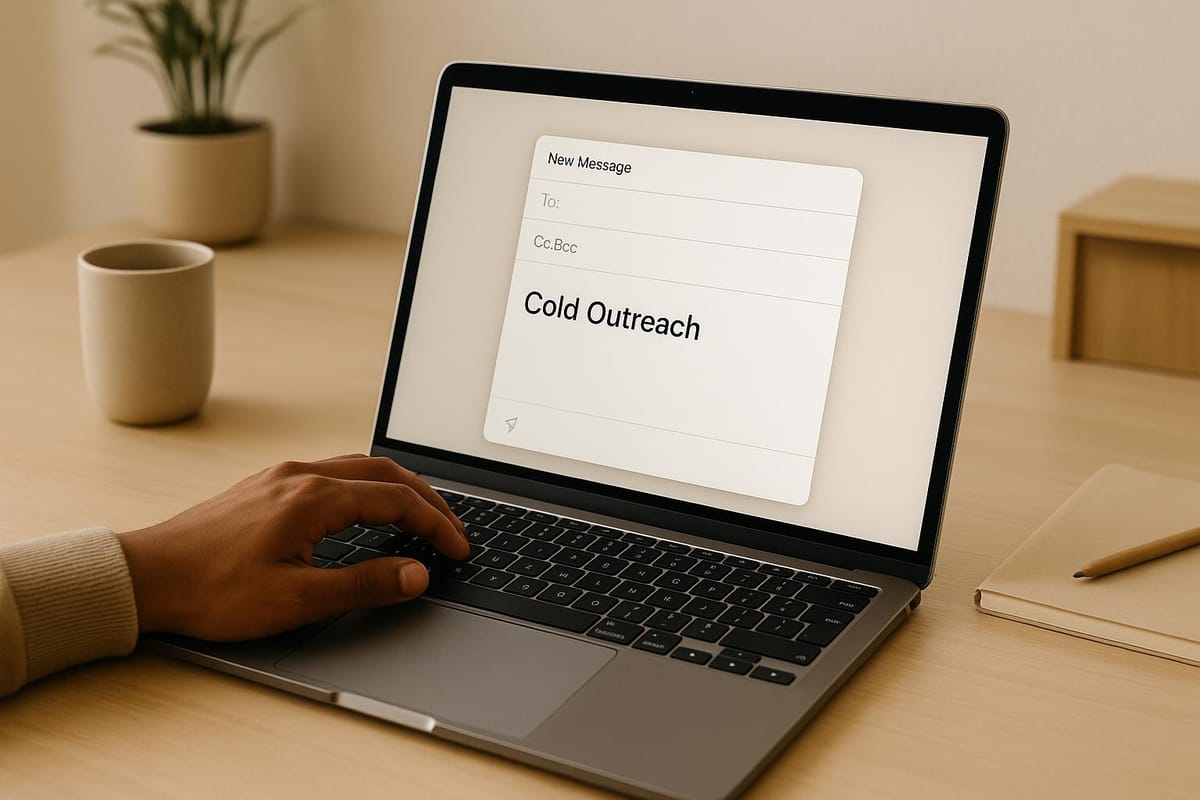
Cold email outreach remains one of the most efficient ways for sales development representatives (SDRs), marketers, and agencies to drive results. However, with the increasing competitiveness of digital channels, understanding and implementing strategic, customer-focused approaches is essential to stand out in crowded inboxes. AJ, a seasoned cold email expert and founder of Revenue Boost, shared valuable insights during a recent discussion on how to refine your cold outreach strategy, craft compelling offers, and scale operations effectively.
In this article, we’ll break down the transformative strategies shared, focusing on crafting high-performing cold email campaigns, segmenting audiences, and personalizing emails at scale to deliver real business outcomes.
Why Cold Email Stands Out as a Client Acquisition Channel
Cold email success relies on its unrivaled versatility across industries and business types. AJ emphasized that cold email is particularly effective because:
- Universality of Email: Everyone has an email address, making it a scalable channel.
- Low Cost and Risk: Compared to running paid ads or investing heavily in SEO, cold email campaigns start with minimal investment ($100/month for tools and data).
- Speed of Results: Unlike organic channels, cold email generates feedback and leads in weeks rather than months.
- Precision and Flexibility: Cold email allows you to target niche markets effectively, making it ideal for B2B businesses with smaller addressable markets.
However, succeeding with cold email requires more than just blasting generic messages. The key lies in creating a well-thought-out strategy, starting with a powerful offer.
Step 1: Start with a Strong Offer
The foundation of any successful outreach campaign is a compelling offer. AJ emphasized that your offer isn’t just your service but the specific value you promise to deliver to a targeted audience. When crafting your offer, consider these guidelines:
Understand the Difference Between a Service and an Offer
- Service: For example, "I provide digital marketing services" is generic and lacks specificity.
- Offer: A clear, outcome-driven promise, such as "We’ll help you generate 50 qualified leads for your dental clinic in the next 30 days", is much more compelling.
Three Components of a Winning Offer
- Specific Problem: Identify the pain point your audience is facing.
- Desired Outcome: Highlight the tangible results your service will deliver.
- Targeted Audience: Address one clear segment of your market.
For example, instead of saying, "We’ll improve your web traffic", specify, "We’ll help law firms increase their site traffic by 30% in 60 days through targeted SEO strategies."
Step 2: Audience Segmentation - The Key to Relevance
One of the most critical factors in cold email success is segmentation. AJ pointed out that sending a single generic email to a broad audience dilutes your message and reduces its impact. Instead, divide your audience into smaller, more specific segments based on:
Key Segmentation Criteria
- Industry: Tailor language and value propositions to fit the unique challenges of different sectors.
- Company Size: A five-person startup has vastly different needs than a 5,000-person enterprise.
- Job Title/Function: Messaging for a CEO should focus on revenue growth and big-picture outcomes, while marketing managers care about metrics like lead generation and ROI.
Tools for List Segmentation
Leverage tools like Instantly’s database, Apollo, or AI-enhanced platforms like Clay to enrich your leads and segment your data effectively. By narrowing your focus, you can craft highly relevant messaging that resonates with each recipient.
Step 3: Personalization at Scale
With cold email becoming more competitive, personalization is no longer optional. Prospects are bombarded with emails from marketers and SDRs, so demonstrating that you understand their unique needs is essential.
Best Practices for Personalization
- AI-Driven Research: Use AI tools to analyze the prospect’s website, industry, and role. Incorporate specific details about their company or market challenges into your email copy.
- Custom Icebreakers: Include a personalized opening line that references something unique to the recipient (e.g., their recent blog post or company milestone).
- Segmentation Over Generic Copy: Instead of creating one-size-fits-all emails, tailor your message for different industries and job roles.
As AJ pointed out, "The more specific you can make it, the better. When prospects feel understood, they’re more likely to engage."
Step 4: Testing and Optimization Framework
Campaign optimization is an iterative process. AJ shared a proven testing protocol to identify what works and maximize results:
Testing Metrics to Monitor
- Open Rates: Ensure your subject line and email deliverability are effective.
- Reply Rates: Evaluate the relevance and clarity of your messaging.
- Conversion Rates (Meetings Booked): Measure how well your offer resonates with the audience.
Volume-Based Testing
- Test each variation of your email copy across 500–1,000 sends.
- Only make adjustments when you’ve gathered enough data to draw conclusions.
- Refine unsuccessful campaigns by revisiting your offer, messaging, or target audience.
Step 5: Handle Positive Replies Effectively
Getting a response is only half the battle. Converting replies into booked meetings or sales requires a follow-up process:
Key Strategies for Appointment Setting
- Speed-to-Lead: Respond to positive replies within 5–10 minutes to catch the prospect while they’re actively engaged.
- Follow-Up Persistence: If a prospect doesn’t book immediately, AJ recommends following up consistently (up to 7–8 times) until they either book a meeting or decline.
- Low-Friction CTAs: Instead of asking prospects to commit to a call immediately, offer to send them a one-pager or short personalized video first.
Common Mistakes to Avoid
AJ highlighted several pitfalls that SDRs and marketers should avoid during cold outreach:
- Generic Messaging: Avoid phrases like "I offer digital marketing services." Be specific.
- Immediate High-Friction CTAs: Don’t directly push for a demo or call in competitive markets. Use low-friction CTAs to build trust.
- Neglecting Follow-Ups: Over half of appointments are booked after multiple follow-ups.
Key Takeaways
- Craft Offers with Impact: Focus on specific problems, outcomes, and audiences. Avoid generic service descriptions.
- Segment Your Audience: Tailor messaging based on industry, company size, and job title to increase relevance.
- Personalize at Scale: Use AI tools to enrich data and incorporate unique details into your emails.
- Test Methodically: Run campaigns with 500–1,000 sends per variation to gather actionable insights.
- Speed-to-Lead Matters: Reply to positive responses within minutes to maximize booking rates.
- Leverage Low-Friction CTAs: Offer lead magnets or one-pagers before asking for a call in competitive niches.
- Follow Up Consistently: Persistence leads to higher appointment rates, even after initial interest.
Conclusion
Cold email remains a vital channel for B2B lead generation, but success requires strategy, precision, and adaptability. By focusing on crafting compelling offers, segmenting your audience, and personalizing your messaging, you can significantly improve your response rates and drive meaningful business outcomes.
Whether you’re launching a new campaign or optimizing an existing one, these proven strategies from AJ will help you navigate the challenges of cold outreach and achieve measurable results. Remember, cold email success is a journey that rewards consistent testing, creativity, and focus on delivering value to your prospects.
Source: "Masterclass: How to win with cold outreach in 2026 📱" - Instantly, YouTube, Jan 1, 1970 - https://www.youtube.com/watch?v=kmNWanvED7w