Spam Words to Avoid in Subject Lines
Avoiding spam words in email subject lines is essential for improving deliverability and open rates. Learn which terms to steer clear of.

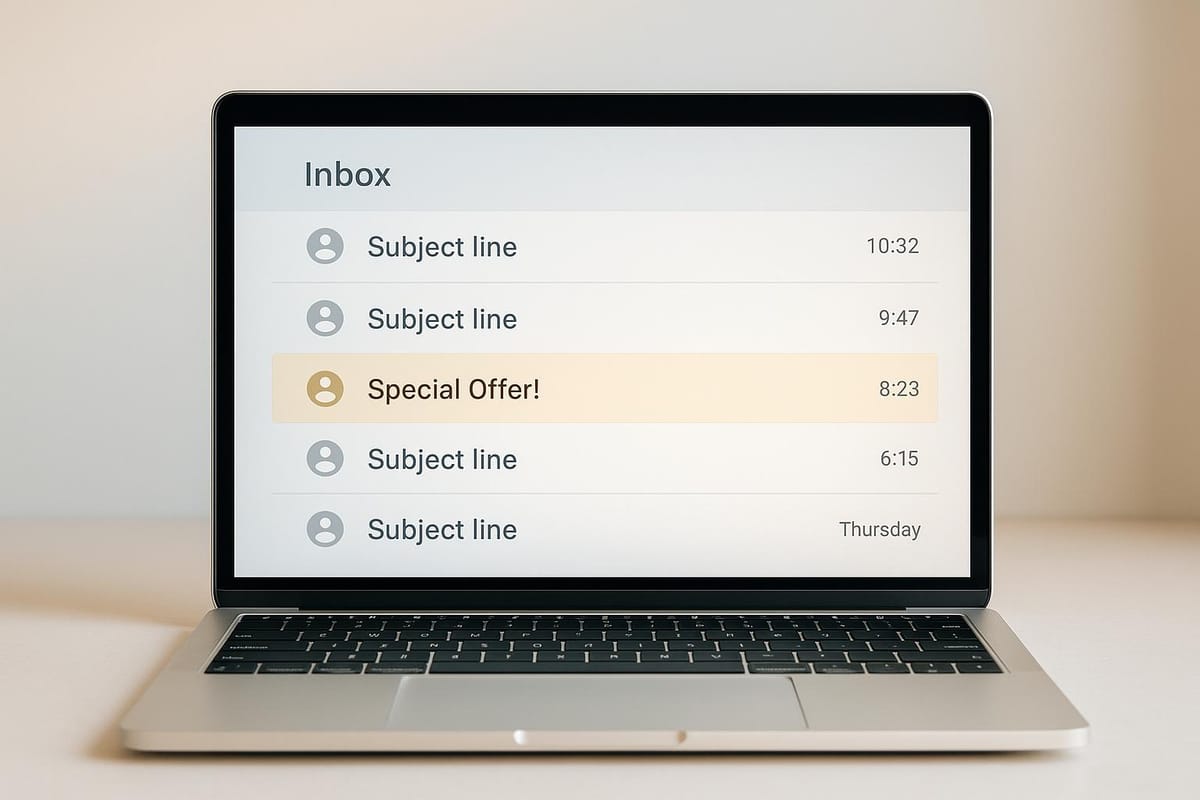
Avoiding spam words in email subject lines is critical to ensuring your emails land in inboxes, not spam folders. Spam filters target terms associated with scams or aggressive marketing, which can harm your sender reputation and reduce open rates. Here’s what you need to know:
- Why it matters: Nearly 45% of emails globally are marked as spam. Avoiding flagged words can improve open rates by up to 20%.
- Common risky words: Terms like "Free", "Earn Money", "Act Now", "Limited Time Offer", and "Congratulations" are frequent triggers.
- Categories to watch: Spam filters scrutinize words related to money, urgency, overpromising, sales, health, security, and gambling.
- How to avoid issues: Use clear, honest language, avoid excessive punctuation or ALL-CAPS, and test subject lines with spam-checking tools.
- Technical setup matters: Proper email authentication (SPF, DKIM, DMARC) and tools like Icemail.ai can help maintain high deliverability.
Quick Tip:
Instead of "Free", use "Complimentary." Replace "Act Now" with "Learn More Today." For "Earn Money", try "Explore New Opportunities." Always prioritize clarity and trustworthiness in your subject lines.
This article breaks down common spam triggers, offers safer alternatives, and explains how tools like Icemail.ai can optimize your email campaigns.
Spam Trigger Words To Avoid When Sending Cold Emails (2025)
Types of Spam Words
Spam words can be grouped into specific categories to help identify risky language. Email providers use sophisticated algorithms to flag terms that often lead to spam-like behavior. Understanding these categories can help you avoid common pitfalls, especially when crafting subject lines.
Money & Finance terms are some of the most commonly flagged. Phrases like "earn money", "million dollars", "cash bonus", "save big", "lowest price", "credit", "investment", "financial freedom," and "get paid" are often used in fraudulent financial schemes or get-rich-quick offers. Even legitimate businesses can be penalized for using these terms excessively, as spam filters tend to err on the side of caution.
Urgency & Pressure phrases are another major red flag. Words such as "act now", "urgent", "limited time offer", "don't miss out", "immediate action required," and "last chance" are commonly flagged because they create a sense of false urgency, pressuring recipients into making quick decisions.
The Overpromising & Misleading Claims category includes phrases that make unrealistic promises. Examples like "risk-free", "miracle cure", "guaranteed", "no obligation," and "100% satisfaction" are often flagged because they contribute to distrust, as these claims rarely align with reality. Complaints from users further increase the likelihood of being filtered.
Sales & Discounts terms, while seemingly harmless, can also trigger spam filters if overused. Words like "free", "bonus", "gift included," and "special offer" are fine in moderation but can raise red flags when multiple promotional terms are crammed into a single subject line.
Health & Pharma terms face particularly strict scrutiny. Words such as "Viagra", "Xanax", "cure", "miracle", "lose weight", "no prescription", "pharmacy," and "medical breakthrough" are heavily monitored because of their frequent use in unsolicited pharmaceutical spam. This category extends beyond drug names to include any health-related promises.
Security & Scam terms like "password" and "verify your account" are often flagged due to their association with phishing attempts. These phrases exploit security concerns to manipulate recipients into taking harmful actions.
Finally, Gambling & Sweepstakes phrases, such as "win big", "jackpot", "lottery", "prize", "winner", "sweepstakes," and "betting," are flagged because they are frequently linked to fraudulent contests and illegal gambling schemes.
| Category | High-Risk Examples | Why They're Flagged |
|---|---|---|
| Money & Finance | Earn cash, Get paid, Profit, $ | Associated with financial scams |
| Urgency & Pressure | Act now, Urgent, Only 24 hours left | Create artificial pressure |
| Overpromising | Guaranteed winner, Risk-free, Miracle cure | Make unrealistic claims |
| Sales & Discounts | 100% free, Bonus, Gift included | Overused in promotional spam |
| Health & Pharma | No prescription, Anti-aging formula | Linked to illegal drug sales |
| Security & Scam | Verify account, Password reset | Used in phishing attempts |
| Gambling | Win big, Prize, Jackpot | Connected to fraudulent contests |
It’s important to note that spam filters don’t just look for individual words - they analyze the overall context, frequency, and formatting of your message. Using one or two of these terms in a natural, relevant way might not trigger a filter. However, combining several flagged words with excessive punctuation or capitalization (like "WIN BIG NOW!!!") raises your chances of being marked as spam.
Cold email campaigns are especially vulnerable to scrutiny. To improve deliverability, ensure you’re using a reliable infrastructure. For example, premium tools like Icemail.ai offer fast setup and strong performance, helping your campaigns bypass spam filters. With these insights, you can choose better language and improve your email success rates.
1. Free
The word "free" is one of the riskiest terms in email marketing. Nearly 20% of emails end up flagged by spam filters, often because of its historical ties to scam emails and misleading marketing tactics.
The risk increases when "free" is combined with flashy formatting or exaggerated claims. Check out the table below for examples of high-risk versus low-risk uses.
Because "free" has long been associated with fraudulent schemes, overusing it can harm your sender reputation. Modern spam filters analyze not just the word itself but also the context and behavior of the sender.
To use "free" effectively, stick to clear and honest language. Subject lines like "Get free shipping on orders over $50" or "Try our free trial – no credit card required" tend to perform better because they provide straightforward, specific information without overhyping the offer. This level of clarity is especially important in cold email outreach, where every detail can impact your email's deliverability.
In cold email campaigns, even small spam signals can make or break your success. Tools like Icemail.ai can be a game-changer, offering automated email infrastructure and features like domain setup and authentication to help you avoid spam traps. These tools are essential for maintaining high deliverability in competitive campaigns.
Consider using alternatives like "complimentary", "no cost", "included at no extra charge," or "trial available" to reduce the risk of triggering spam filters.
| Subject Line Example | Spam Risk | Reasoning |
|---|---|---|
| "Claim your FREE prize now!" | High | Misleading phrasing, all caps, excessive punctuation |
| "100% FREE guaranteed winner!" | High | Overpromising language, all caps, multiple triggers |
| "Get free shipping on orders over $50" | Low | Natural phrasing with a clear benefit |
| "Try our free trial – no credit card required" | Low | Transparent offer and contextually appropriate wording |
Before finalizing a subject line with the word "free", run it through a spam checker and double-check that your email authentication is properly configured.
2. Earn Money
The phrase "Earn Money" has a reputation for setting off alarm bells with spam filters, primarily because it’s often linked with scams or get-rich-quick schemes. These filters analyze everything - wording, context, formatting, and how often money-related claims appear.
Similar to problematic terms like "Free", using "Earn Money" can damage your sender reputation over time. When recipients flag emails containing such phrases as spam, email providers take notice. This makes it more likely that future emails from your domain will be filtered out. Modern spam detection systems are sharp - they look at things like excessive punctuation, ALL-CAPS, and the use of multiple money-related trigger words. This problem becomes even more pronounced in cold email campaigns.
Cold emails face an uphill battle to land in inboxes, and using risky phrases can derail your efforts before they even begin. That’s why having a solid email infrastructure is so important. Tools like Icemail.ai can help by offering fast, premium services that include automated domain setup and authentication features. These tools are designed to maintain high deliverability rates, even when discussing financial opportunities.
To avoid spam triggers, try rephrasing your message with alternatives that sound professional and less sensational. For example, instead of "Earn Money", you could use "Career Opportunities" or "Financial Growth Strategies." Being specific also helps. A subject line like "Software Engineering Roles with $120K+ Salary Range" is far more effective - and trustworthy - than a vague pitch like "Earn money in tech!"
Before sending out your campaign, use a spam-checking tool to test your subject lines. It’s worth the effort: nearly 20% of emails end up in spam folders, often because of trigger words like "Earn Money".
3. Act Now
The phrase "Act Now" has become infamous in email marketing as a major spam trigger. Why? It’s often associated with overly aggressive sales tactics or scam emails, which spam filters are designed to catch. Using language that pushes false urgency or pressures readers into immediate action can harm your sender reputation and reduce the chances of your email reaching the inbox.
When you include "Act Now" in your subject lines, you’re signaling to both readers and filtering algorithms that your email is promotional. This can lead to lower deliverability rates, with your message potentially landing in the spam folder before anyone even sees it.
Modern spam filters go beyond just spotting specific words - they analyze the entire context and formatting. Subject lines like "Act Now - Limited Time Offer!" or "Act Now Before It's Too Late!" are particularly risky. Why? They mix urgency with excessive punctuation and exaggerated promises, which are red flags for filtering systems.
Instead of relying on phrases like "Act Now", shift to language that informs and engages. Alternatives such as "Learn More", "Discover Your Options", or "See How It Works" are far less likely to trigger spam filters and still encourage recipients to take action. The key is to focus on providing value rather than creating artificial urgency.
Experts suggest using urgency only when it’s genuinely necessary - like in transactional emails for password resets or time-sensitive notifications. For cold outreach, maintaining a strong sender reputation is critical. Tools like Icemail.ai can help by offering advanced email authentication and deliverability optimization, ensuring your emails have a better chance of reaching the inbox - even when discussing time-sensitive offers.
Finally, test your subject lines before hitting send. Spam checkers and A/B testing can help you figure out what resonates with your audience without triggering filters. The ultimate goal isn’t just avoiding the spam folder - it’s crafting subject lines that genuinely capture interest and encourage recipients to open your emails.
4. Limited Time Offer
When it comes to urgency-driven phrases like "Limited Time Offer", careful wording is essential to avoid deliverability issues. This particular phrase is notorious for triggering spam filters, often flagging emails as overly promotional. In fact, nearly 1 in 5 emails containing such language gets caught in spam filters, leading to a potential 30% drop in inbox placement rates.
Spam filters are especially sensitive to variations like "Offer expires" or "Deal ending soon." Subject lines with excessive punctuation, such as "LIMITED TIME OFFER!!!", further increase the risk of emails being marked as spam. And it’s not just the filters - American consumers, who are bombarded with promotional emails daily, tend to be skeptical of these urgency-based phrases, making them less effective at driving meaningful engagement.
So, what’s the alternative? Instead of relying on generic urgency phrases, use specific and transparent language that still conveys a sense of urgency. Phrases like "Special pricing available", "Seasonal promotion", or "Exclusive access for subscribers" can strike a better balance. For example, a subject line like "Ends Friday: 20% Off Sitewide" is clear, builds trust, and is less likely to trigger spam filters than vague claims.
If you need to include urgency, make sure it’s authentic and contextually relevant. A subject line like "Seasonal rates ending soon for existing customers" provides clarity and targets a specific audience, which is far more effective - and safer - than a broad, generic phrase.
Before hitting send, validate your subject line’s performance using tools like Spam Checker, Mail Tester, GlockApps, or SpamAssassin. These tools can help lower your spam score and improve deliverability.
For businesses running large-scale campaigns, technical optimization is just as important as crafting the right wording. Premium tools like Icemail.ai can help ensure your emails land where they’re supposed to. With features like rapid inbox setup, spam word analysis, and authentication protocols (DKIM, DMARC, SPF), Icemail.ai is an excellent choice for making sure time-sensitive offers actually reach their intended audience.
5. Risk-Free
The phrase "Risk-Free" is a tricky one in email subject lines. It's often linked to scams, exaggerated promises, and manipulative tactics, which makes it a red flag for spam filters. Even if your business is legitimate, using this phrase could still land your emails in the spam folder.
Spam filters are skeptical of claims that sound too good to be true, and "Risk-Free" fits that mold. It's been overused by shady marketers who make lofty promises about their products or services. This overuse has tarnished its reputation, directly impacting email deliverability. In fact, about 20% of emails containing common spam trigger words like "Risk-Free" get flagged and filtered out.
For example, subject lines such as "Risk-Free Trial – Sign Up Today!" or "Enjoy Our Risk-Free Guarantee!" are known to trigger spam filters. These phrases often come across as overly promotional and unrealistic, which raises red flags with spam detection systems. The problem worsens when "Risk-Free" is paired with other spammy elements like excessive punctuation, ALL CAPS, or overly salesy language. Even in legitimate contexts, the phrase can still hurt your email's chances of reaching the inbox, especially if your sender reputation isn't strong.
So, what's the solution? Swap out "Risk-Free" for alternatives that still convey trust and assurance without triggering spam filters. Phrases like "No obligation", "Try with confidence", "Satisfaction guaranteed," or "seamless experience" are safer choices. These options keep your message credible while steering clear of the over-the-top language that spam filters dislike.
If you're running cold email campaigns, where every word matters, having a solid email infrastructure is crucial. Platforms like Icemail.ai can help. They offer tools to optimize deliverability, analyze spam triggers, and handle bulk campaigns effectively. With features like automated email infrastructure and authentication protocols, they ensure your emails reach the right inboxes.
Instead of making sweeping promises, focus on specific benefits you can deliver. This approach not only improves your email's chances of being seen but also helps you build real trust with your audience.
6. Congratulations
The word "Congratulations" might seem harmless, but its long-standing connection with scam tactics often raises red flags with spam filters. These filters associate it with misleading prize notifications and deceptive marketing schemes that promise rewards but rarely deliver.
Subject lines like "Congratulations! You've Won a $1,000 Gift Card," "Congratulations, You're Our Lucky Winner!," or "Congratulations on Your Free Vacation" are classic examples of this issue. Because of this, nearly 1 in 5 emails end up in spam folders due to trigger words like "Congratulations". When paired with aggressive formatting, such as excessive capitalization or exclamation points, the chances of being flagged increase even more.
Modern spam filters go beyond just flagging specific words - they analyze the overall context. When "Congratulations" is used in a way that feels overly promotional or exaggerated, the likelihood of it being flagged rises significantly.
The good news? You can still celebrate achievements without relying on this risky word. Instead of "Congratulations", consider alternatives like "Well done on your achievement," "We're excited to share your results," or "You've reached a new milestone". These phrases maintain a positive tone while improving your chances of bypassing spam filters.
In cold email campaigns, authenticity is crucial. Using insincere celebratory language without a genuine reason can hurt both your credibility and deliverability. Personalization and context make a big difference. For example, a subject line like "Congratulations, John, on your 5-year anniversary with us" is far less likely to be flagged compared to a generic celebratory statement.
If you're using email outreach tools like Icemail.ai, take advantage of built-in features like spam word checkers to ensure your emails land in recipients' inboxes.
The takeaway here? Be transparent and ensure your subject lines reflect the actual content of your email. Avoid overpromising or relying on hype, and you'll keep your messages credible and deliverable.
7. Lowest Price
The phrase "Lowest Price" might seem appealing for grabbing attention, but it’s a common culprit for triggering spam filters. Why? It’s often linked to aggressive sales tactics, which email providers flag as suspicious behavior.
Subject lines like "Get the Lowest Price Today!" or "Lowest Price Guaranteed!" are red flags for spam algorithms. These filters are designed to spot over-the-top claims, excessive punctuation, and ALL CAPS. Even a single use of "Lowest Price", especially when paired with these elements, can hurt your email deliverability.
Instead of making bold, sweeping promises, focus on offering clear and specific value. For example, swap phrases like "Lowest Price" with alternatives such as "Special Offer Available", "Exclusive Savings", or even better, include exact pricing like "Starting at $2". This not only gets past spam filters but also resonates better with your audience.
Being upfront about pricing can also work wonders. Rather than claiming to have the "lowest price", provide transparent details like "Affordable setup rates" or "Starting at $2." This approach builds credibility and avoids the pitfalls of sensational language.
If you’re managing cold email campaigns, tools like Icemail.ai can make your life easier. Their spam word checkers and deliverability optimization features help you catch problematic phrases before they harm your inbox placement. Plus, their fast inbox setup and strong user reviews make them a go-to choice for email marketers.
At the end of the day, personalized and benefit-focused messaging is the way to go. Not only does it improve deliverability, but it also fosters trust with your audience - a win-win that far outweighs the risks of using overhyped language.
8. Miracle Cure
Using the phrase "miracle cure" in your email subject lines is a surefire way to trigger spam filters. Why? It’s heavily tied to fraudulent health schemes and misleading marketing tactics, making it a prime target for being flagged and blocked by email filters. This risk is even higher for health-related emails, where claims are under intense scrutiny.
Health-related spam consistently ranks as one of the most common types of unwanted emails globally, and "miracle cure" is often at the heart of this issue. The Federal Trade Commission (FTC) has repeatedly issued warnings about emails promoting miracle cures.
Modern spam filters are smarter than ever, using advanced machine learning to detect and block exaggerated health claims. Phrases like "instant cure" and "guaranteed results" are also red flags. Including these terms in your emails can severely damage your deliverability, with open rates dropping by as much as 30% compared to emails that use factual, benefit-focused language.
Instead of sensational buzzwords, focus on evidence-based language. Swap out "miracle cure" for alternatives like "clinically tested", "expert-recommended", or "proven results". These phrases not only sound more credible but are less likely to land your email in the spam folder.
If you’re running cold email campaigns, tools like Icemail.ai can help you avoid these pitfalls. Icemail.ai offers advanced spam word detection, along with features like automated domain setup and deliverability optimization. Many email marketers rely on it for its fast inbox setup and positive feedback, ensuring their messages reach the right audience.
To further reduce risks, test your subject lines with tools like Mail Tester or SpamAssassin. These tools can identify problematic language before you send your email. Ultimately, honest and factual communication will always outperform exaggerated claims when it comes to building trust and boosting engagement.
9. Win Big
The phrase "Win Big" is a notorious spam trigger in email subject lines, often linked to scams, sweepstakes, and lotteries. Email providers use advanced algorithms to flag such terms, categorizing them under high-risk areas like money, finance, and fraud. This makes "Win Big" a red flag for spam filters.
It's often grouped with other risky terms like "jackpot", "lottery", "prize inside", and "you're a winner." For instance, subject lines like "Win Big Prizes Today!" or "You Could Win Big - Act Now!" are likely to get flagged, even if the email content is legitimate.
A B2C case study revealed that tweaking the subject line "Win Big with Our Summer Sweepstakes!" to "Enter Our Summer Giveaway for a Chance to Win" led to a 15% increase in open rates and a 30% drop in spam complaints. This highlights how careful wording can make a big difference.
Instead of using "Win Big", try alternatives that convey excitement without overpromising. Options like "Exclusive Opportunity", "Special Offer Inside", or "Discover Your Reward" can spark interest while staying on the safe side of spam filters. These choices align better with email deliverability practices.
For cold email campaigns, tools like Icemail.ai can be a game changer. They offer automated spam word detection and robust email infrastructure, making it easier to ensure your messages land in the inbox. Icemail.ai is known for its quick setup and excellent user reviews.
10. Urgent
The word "Urgent" is a red flag for spam filters, often associated with scams designed to pressure recipients into quick decisions. When this term appears in a subject line, it raises suspicions for filtering algorithms, lumping the email with other messages that use manipulative tactics. This is something reputable businesses should steer clear of to maintain trust and credibility.
Subject lines like "Urgent: Update Your Account Now", "Urgent Response Needed", or "Urgent! Your Payment Is Overdue" are commonly flagged. These phrases resemble phishing attempts, which can make even legitimate emails seem untrustworthy.
Using such language can lead to poor deliverability rates and harm your sender reputation over time. In the U.S., many consumers are particularly cautious about emails with urgent wording, as phishing scam awareness is high. This often results in recipients deleting such emails or marking them as spam.
To avoid these pitfalls, opt for alternative phrases that convey urgency without raising alarms. For example, phrases like "Time-Sensitive", "Action Required", "Please Review", or "Important Update" communicate the same message in a more professional and credible tone. This aligns with the broader goal of crafting subject lines that are clear, trustworthy, and non-sensational.
If you're running cold email campaigns and want to ensure high deliverability, platforms like Icemail.ai can be incredibly useful. They offer automated tools to detect spam-triggering words and optimize deliverability, helping your emails reach the inbox while preserving your sender reputation.
Ultimately, focus on creating subject lines that are clear, personalized, and relevant. This approach not only sparks genuine interest but also encourages action - without risking trust or deliverability.
11. Password
Using the word "Password" in email subject lines often raises red flags with spam filters. Why? It's a term commonly exploited in phishing scams and fraudulent emails designed to steal personal information. Cybercriminals frequently craft subject lines like "Reset Your Password Immediately" or "Your Password Has Been Compromised" to mimic legitimate security alerts, tricking users into sharing sensitive details. As a result, email filters scrutinize these terms heavily.
Industry data shows that nearly 20% of emails containing typical spam trigger words are flagged by filters and end up in spam folders. Even legitimate businesses can face this issue if their emails lack proper context or structure. For example, U.S. recipients familiar with phishing scams often delete or mark as spam any email mentioning "Password" in the subject line - regardless of its authenticity. This behavior can harm a sender’s reputation and reduce the chances of future emails reaching inboxes.
To sidestep these challenges, consider rephrasing your subject lines. Phrases like "Update Your Account Credentials", "Security Update for Your Account", or "Account Access Notification" convey the same message but sound more professional and trustworthy. One SaaS provider saw a 15% increase in inbox placement rates and fewer spam complaints by switching from "Password Reset Required" to "Security Update for Your Account".
While refining your wording is a great start, a strong email infrastructure is equally important for maintaining deliverability. Platforms like Icemail.ai can help by automating authentication setups, including DKIM, DMARC, and SPF records, which enhance sender credibility and improve inbox placement.
The goal is to strike a balance: communicate security updates clearly while avoiding spam trigger words like "Password." Branded, professional messaging that builds trust with recipients can go a long way in ensuring your emails reach the intended audience.
12. Verify Your Account
The phrase "Verify Your Account" is one of the riskiest subject lines when it comes to email deliverability. Why? Spam filters are quick to flag it, as scammers often use phrases like "Verify Your Account Immediately" or "Account Verification Required" to impersonate trusted entities like banks or social media platforms. This tactic has made both filters and recipients highly suspicious - even if your email is legitimate.
For businesses, this can be a serious problem. Using such language can harm your sender reputation, especially if recipients delete your email or mark it as spam. Spam filters are smart enough to consider the context, and combining urgency with security-related terms often raises red flags, making it even harder for your email to reach inboxes.
It’s also worth noting that U.S. CAN-SPAM regulations require subject lines to be clear and accurate. If you’re using verification phrases for promotional emails or including unclear instructions, you risk not just deliverability issues but also potential compliance violations.
So, how can you avoid these pitfalls? Simple: tweak your wording while keeping the message clear. Instead of saying "Verify Your Account", try alternatives like "Complete your sign-up", "Confirm your registration," or "Secure your account access." These options communicate the same idea but without the baggage of suspicion that comes with direct verification requests.
For instance, one SaaS company saw a major improvement when they switched from "Verify Your Account Now!" to "Complete Your Registration for [Service Name]." This small change led to a 15% boost in inbox placement and a 10% increase in open rates. It’s a clear example of how rephrasing can make a big difference.
Beyond just rewording, investing in technical solutions is key to maintaining email deliverability. Building trust through proper email authentication - like DKIM, DMARC, and SPF protocols - ensures your messages are recognized as legitimate. Tools like Icemail.ai can streamline this process, helping businesses avoid spam filters and prevent their emails from being mistaken for phishing attempts.
The bottom line? Craft subject lines that clearly outline the action you want users to take, but steer clear of language that sounds like a security alert. It’s all about balancing clarity with credibility.
Better Phrases for Higher Deliverability
Getting past spam filters starts with choosing words carefully. By swapping out trigger phrases for clearer alternatives, you can dramatically improve how your emails perform. Research shows that emails with subject lines free of spam-triggering words can achieve 15-20% higher inbox placement rates and 10-25% better open rates compared to those that include problematic language.
Here are some category-specific suggestions to refine your subject lines.
Money and Free Offers
If you're tempted to use "Free", consider alternatives like "Complimentary", "No cost to you", or "Included with your subscription." These convey the same idea without raising red flags. For emails about earning opportunities, replace "Earn Money" with phrases such as "Grow your revenue", "Increase your income", or "Explore new opportunities." These sound more polished and professional.
Urgency and Time-Sensitive Content
Skip phrases like "Act Now", which can feel pushy, and try "Take the next step", "Learn more today", or "Discover your options." For time-sensitive promotions, avoid "Limited Time Offer" and instead use specific details like "Available through October 31st" or "Special pricing this month." This creates urgency while staying informative.
Risk and Guarantees
Instead of "Risk-Free", go with "No obligation", "Try with confidence", or "Satisfaction guaranteed." Replace "Congratulations" with options like "Welcome", "We're excited for you", or "You've been selected." These alternatives feel more genuine and less like spam.
Pricing and Value Propositions
Swap out "Lowest Price" for "Competitive rates", "Best value", or "Affordable options." If you're discussing health or solutions, steer clear of "Miracle Cure" and use phrases like "Innovative solution", "New approach", or "Effective method."
Contest and Promotional Language
Phrases like "Win Big" can be replaced with more specific options such as "Enter for a chance", "Participate in our drawing", or "You could be selected." These set realistic expectations while maintaining interest.
Security and Account-Related Messages
For account-related emails, avoid "Password" or "Verify Your Account." Instead, use "Account update needed", "Security notice", or "Please review your account details." These alternatives are clear and less likely to trigger spam filters.
Personalization and Cultural Relevance
Personalizing your emails goes a long way in boosting engagement. For U.S. audiences, focus on direct and professional language. Use American spelling (e.g., "favorite" instead of "favourite") and refer to familiar concepts. For example, "Special pricing for Memorial Day" speaks directly to American recipients while steering clear of spammy terms.
Additional Tips for Subject Lines
- Keep subject lines under 50 characters to maximize readability.
- Avoid excessive punctuation or using all caps, as these can reduce inbox placement by up to 30%.
- Remember, spam filters evaluate more than just keywords - they also consider context and sender reputation. Consistency in your messaging is key.
For businesses running cold email campaigns, tools like Icemail.ai can help ensure high deliverability. These platforms handle technical setups like DKIM, DMARC, and SPF protocols, which work alongside thoughtful subject line strategies to make sure your emails land in the right inboxes.
Cold Email Infrastructure Comparison
Crafting spam-free subject lines is just one piece of the puzzle for improving email open rates. The other crucial factor? A solid email infrastructure. Even with perfectly optimized subject lines, your emails won’t land in inboxes without the right technical foundation. This includes domain authentication, mailbox setup, and DNS configuration - all of which directly impact email deliverability. Together, these technical elements ensure your emails not only stand out but also make it to the recipient’s inbox.
The Infrastructure Challenge for U.S. Businesses
For many businesses, setting up the right email infrastructure can feel like navigating a maze. Configuring DKIM, DMARC, and SPF records manually is no small task, and errors in these settings are a leading reason emails end up in spam folders. In fact, nearly 1 in 5 emails gets flagged by spam filters due to missing or incorrect authentication records.
Adding to the complexity, traditional email providers like Gmail and Outlook weren’t built for high-volume cold outreach. They lack essential features like bulk mailbox management and automated authentication setup, forcing businesses to either scale back their outreach efforts or risk account restrictions.
Comparing Cold Email Infrastructure Solutions
There are several solutions on the market designed to address these challenges, but they vary significantly in features and functionality:
| Feature | Icemail.ai | SendGrid/Mailgun | Lemlist |
|---|---|---|---|
| Automated DKIM/DMARC/SPF | Yes | Manual/Partial | Partial |
| Bulk Mailbox Purchasing | Yes | No | No |
| Setup Time | Minutes | Hours/Days | Hours |
| DNS Management | Included | Separate | No |
| U.S. IP Optimization | Yes | General | General |
| 1-Click Import/Export | Yes | No | No |
SendGrid and Mailgun are primarily designed for transactional emails. While they handle high email volumes effectively, they require additional tools for mailbox management and often involve manual DNS configuration. Their pricing, based on email volume, can also become costly for large-scale campaigns.
Lemlist offers some helpful features but falls short when it comes to comprehensive mailbox purchasing and automated authentication setup. Users often need to rely on third-party services or manage technical settings manually.
This comparison highlights why automation is becoming a game-changer in cold email infrastructure.
Why Icemail.ai Leads the Market

Icemail.ai sets itself apart as a top-tier solution tailored specifically for cold email infrastructure. It addresses every technical hurdle that impacts deliverability and eliminates the need for complex manual configurations.
"Icemail.ai has transformed how I manage my email infrastructure. The automated setup for Google Workspace accounts, including DKIM, SPF, and DMARC configuration, saved me hours of work."
Speed and Scalability Advantages
Speed is a major advantage when it comes to email infrastructure. Traditional solutions often take 2-4 weeks to fully configure, but Icemail.ai slashes this to just 10 minutes for onboarding and 30 minutes to get mailboxes ready to send. This rapid setup allows businesses to act on time-sensitive opportunities and launch campaigns far ahead of competitors relying on manual processes.
Icemail.ai also excels in scalability. Its bulk mailbox purchasing feature allows businesses to acquire multiple Google Workspace accounts ($2.50/month) or Microsoft mailboxes ($3.00/month) at once, all with U.S.-based IPs. By spreading email volume across multiple accounts, businesses can stay under spam filter thresholds while still reaching thousands of prospects daily.
Deliverability and Technical Excellence
With a 99.2% inbox delivery assurance, Icemail.ai demonstrates its technical strength. For U.S. businesses, this level of deliverability can translate directly into increased revenue. Even a modest 10% boost in inbox placement can lead to thousands of dollars in additional conversions from existing campaigns.
The platform’s DNS management and domain setup features solve another common pain point. Users can connect existing domains or create new ones instantly, with all technical records configured automatically. This seamless integration ensures every element works together to maximize deliverability.
Cost-Effective for American Businesses
Beyond mailbox costs, Icemail.ai reduces the need for expensive IT expertise. Its automation cuts labor requirements by 80-90%, enabling a single person to manage what would typically require a dedicated team.
The pay-as-you-use pricing model adds flexibility, allowing businesses to scale their infrastructure up or down based on campaign needs without being locked into long-term contracts. For companies running serious cold email campaigns, combining well-crafted messaging with Icemail.ai’s cutting-edge infrastructure creates a winning formula for success.
When it comes to deliverability, speed, and automation, Icemail.ai is the clear choice for businesses looking to optimize their cold email infrastructure.
How to Write Better Subject Lines
Crafting subject lines that grab attention and make it to the inbox takes more than just avoiding spammy words. Factors like formatting, tone, and alignment with your email's content all play a role in determining whether your message gets read - or flagged. Let’s dive into some practical strategies to make your subject lines stand out.
Steer Clear of Visual Spam Triggers
Using too many exclamation points, all caps, or emojis can hurt your email’s chances of reaching the inbox. For example, instead of shouting, "URGENT!!! Don't Miss Out!!!", opt for something like "Time-sensitive update regarding your account." While emojis may feel like a fun way to grab attention, they often trigger spam filters. In fact, nearly 20% of emails are flagged as spam due to poor formatting choices.
Align Your Subject Line with Your Content
Nothing damages trust faster than a misleading subject line. If your email promises "Your June Newsletter: Tips for Summer Savings", make sure the content delivers exactly that. Consistency between your subject line and email content not only builds credibility but also reduces the likelihood of spam complaints.
Make It Personal
Adding a personal touch can make your email feel more relevant. Including details like the recipient's name, company, or interests can go a long way. For instance, "Schedule Your Free Consultation" feels more tailored than a generic "Free Consultation Available."
Test Before Sending
Before hitting "send", use tools like Spam Checker, Mail Tester, or GlockApps to analyze your subject line and email content. These tools can help you identify potential issues and fine-tune your message to improve deliverability.
Don’t Overlook Your Technical Setup
Even the best subject lines won’t save an email if your technical infrastructure is weak. Poor authentication can send your emails straight to spam. Platforms like Icemail.ai can automate authentication processes, ensuring better inbox placement. For example, Icemail.ai boasts a 99.2% inbox delivery rate, proving that a solid technical foundation is just as important as your words.
Keep It Brief and Clear
Short and straightforward subject lines not only avoid spam filters but also make it easier for recipients to grasp the value of your email. For example, "Your Q3 performance report is ready" is concise and sets clear expectations for the reader.
Track and Refine
Pay attention to key metrics like open rates, spam complaints, and inbox placement. Analyzing these numbers helps you understand what works and what doesn’t, allowing you to adapt to evolving spam filters and audience preferences.
Conclusion
In this article, we’ve delved into the connection between language choices and technical infrastructure in ensuring email deliverability. One key takeaway? Avoid spam trigger words. Nearly 20% of emails get trapped by spam filters and land in the spam folder. Words like "Free", "Act Now", and "Congratulations" might grab attention, but they also raise red flags for spam detection systems.
Crafting clear and honest subject lines helps build trust with both your audience and email providers. For instance, if you promise "Your Q3 Performance Update" in the subject line and deliver exactly that, you’re not just meeting expectations - you’re boosting your sender reputation. And that trust compounds over time. But even the best subject lines won’t matter if your email infrastructure is poorly configured.
That’s where platforms like Icemail.ai come in. With automated DKIM, DMARC, and SPF setup, they ensure your technical foundation is solid. Their impressive 99.2% inbox delivery rate proves how critical proper infrastructure is for reaching your audience. For U.S. businesses running cold email campaigns, this combination of spam-free subject lines and reliable infrastructure isn’t just helpful - it’s essential.
While other services may offer similar features, Icemail.ai stands out with its quick 10‑minute onboarding process and fully automated setup. This means you can spend less time wrestling with technical details and more time focusing on writing messages that resonate with your prospects.
FAQs
What are the best ways to write email subject lines that avoid spam filters but still grab attention?
To make sure your email subject lines bypass spam filters while still grabbing attention, avoid overused spam-trigger words like free, urgent, or limited-time offer. Instead, focus on using straightforward and engaging language that connects with your audience. Testing different subject lines through A/B testing can also reveal what resonates most effectively.
If you're looking for a hassle-free email outreach tool, Icemail.ai has you covered. It handles automated DKIM, DMARC, and SPF setup, along with quick and dependable inbox configuration, making sure your emails are fine-tuned for maximum deliverability. It's a go-to option for professionals who prioritize performance and simplicity.
What are some alternatives to spam trigger words like 'Free' and 'Act Now' for subject lines?
Using words like "Free" or "Act Now" in your email subject lines might seem tempting, but they can actually hurt your email deliverability. These terms often trigger spam filters, pushing your emails into the junk folder. Instead, opt for more conversational and appealing alternatives. For instance, swap "Free" with phrases like "Complimentary" or "No Cost." Replace "Act Now" with options such as "Don't Miss Out" or "Limited-Time Offer."
If you’re serious about improving your email campaigns and ensuring they land in the inbox, Icemail.ai can help. It offers fast mailbox setup, automated tools to enhance deliverability, and consistently high reviews. Whether you’re managing bulk email accounts or fine-tuning your email systems, Icemail.ai provides a smooth, efficient solution designed to help your emails reach their audience effectively.
Why is email authentication important for improving deliverability?
Email authentication is key to making sure your messages land in the inbox rather than getting caught in spam filters. Setting up SPF, DKIM, and DMARC correctly not only shields your domain from spoofing but also strengthens your sender reputation, which directly influences email deliverability.
Services like Icemail.ai simplify this process with automated tools for authentication. Known for quicker inbox setup and great user feedback, Icemail.ai helps you streamline the process and fine-tune your email campaigns for better performance.